AZZURRA DE GREGORIO
VISUAL ARTIST AND THEATRE DIRECTOR
DANSE MACABRE
PARTICIPATORY PERFORMANCE
- YEAR :
2026
- A PROJECT BY :
AZZURRA DE GREGORIO
MALTA BIENNALE 2026 / SATELLITE EVENTS
Danse Macabre: A Contemporary Reimagining of Death.
A project by Azzurra De Gregorio
PROJECT COORDINATION: KATSIARYNA SALADUKHA
CURATORIAL ASSISTANCE: OSCARITO SANCHEZ
SOCIAL MEDIA: POLINA EVSTAFEVA
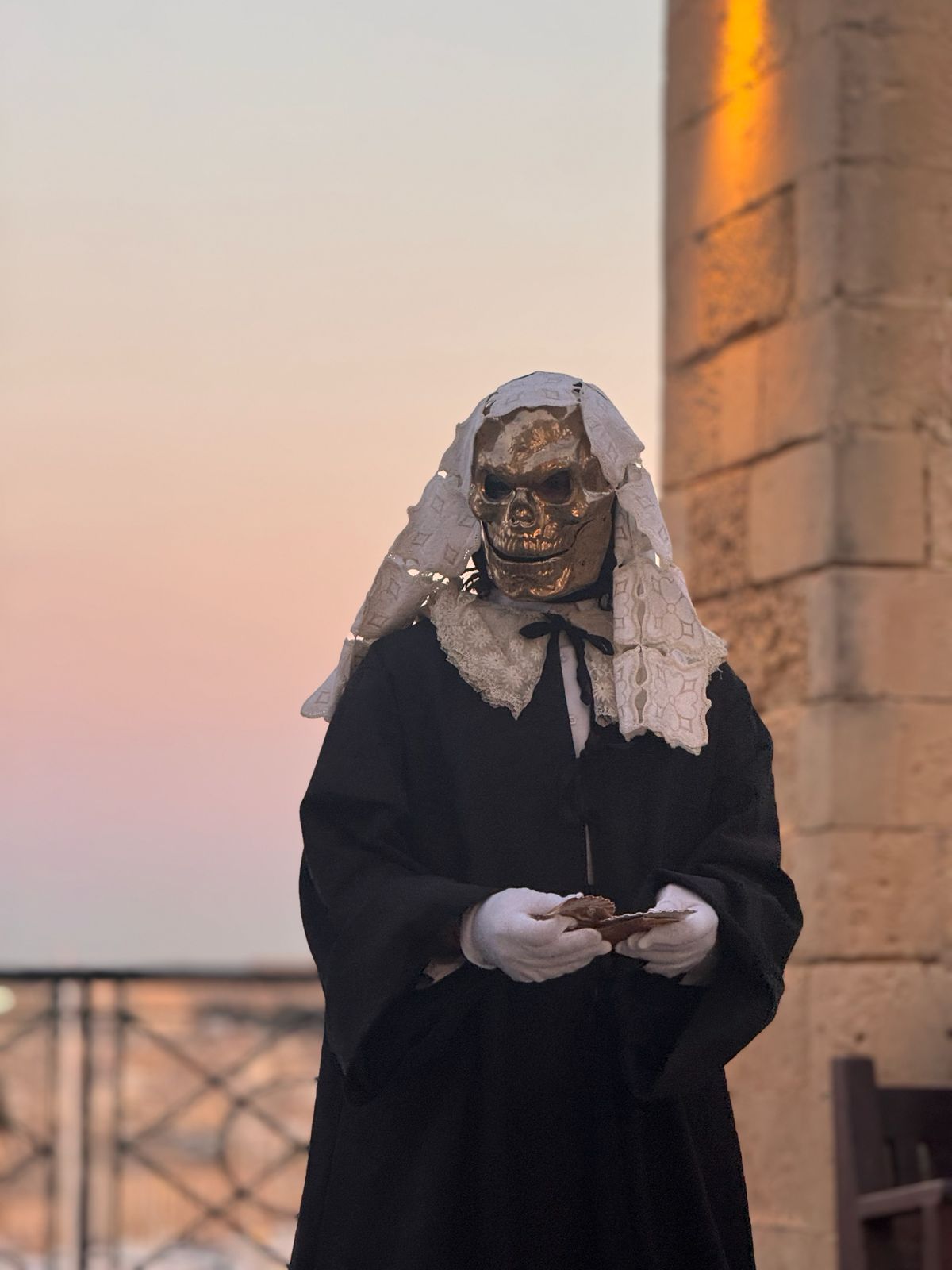
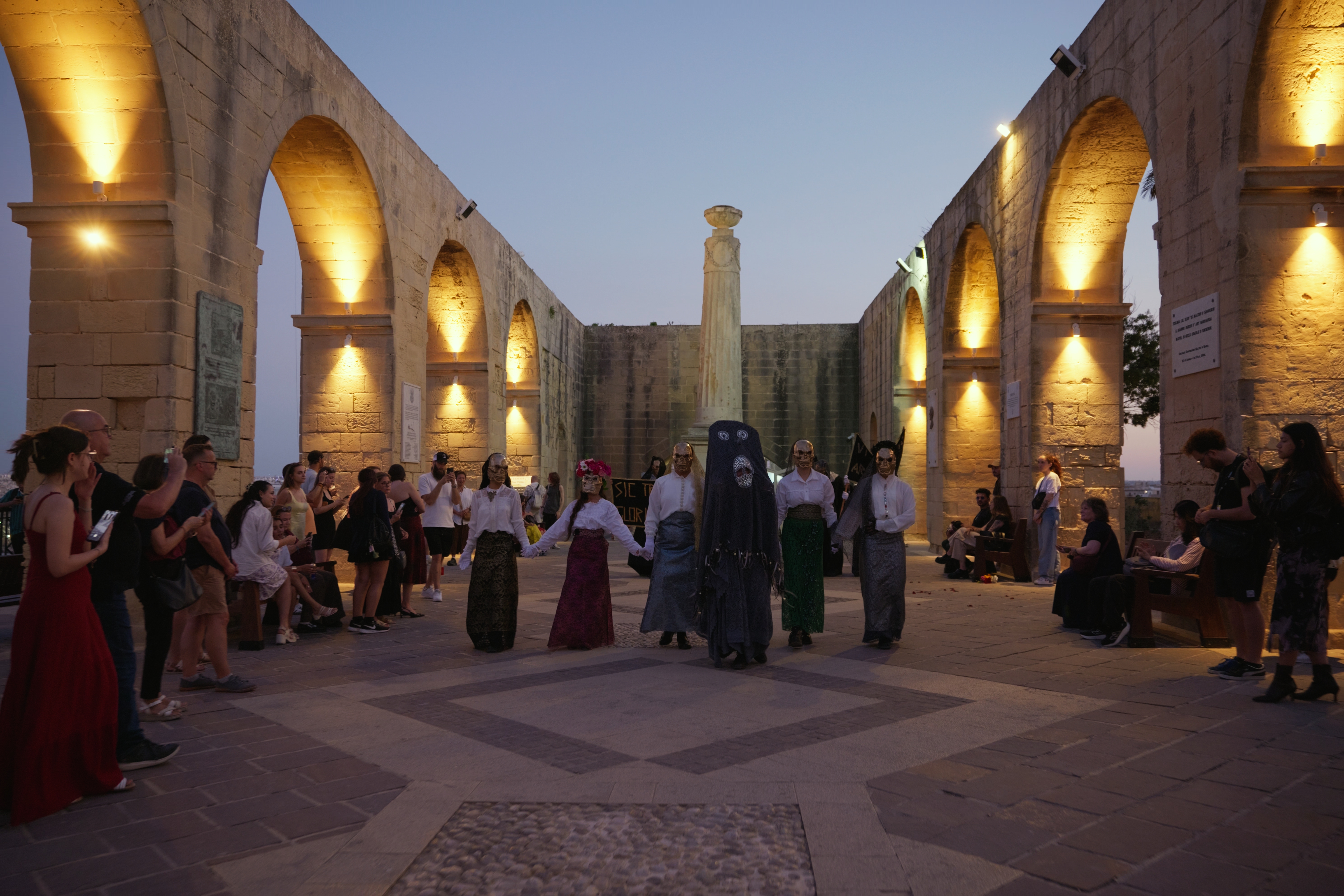
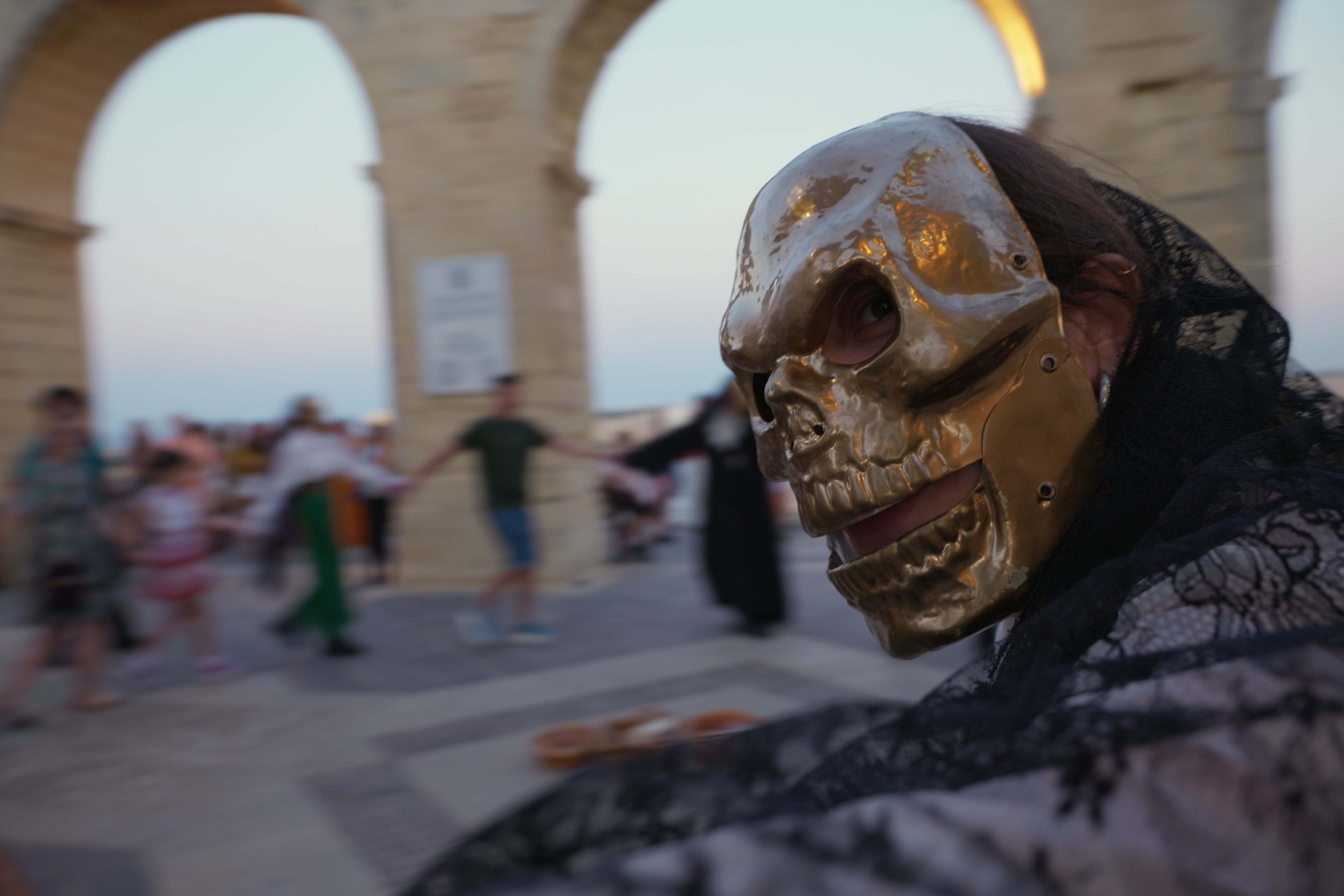
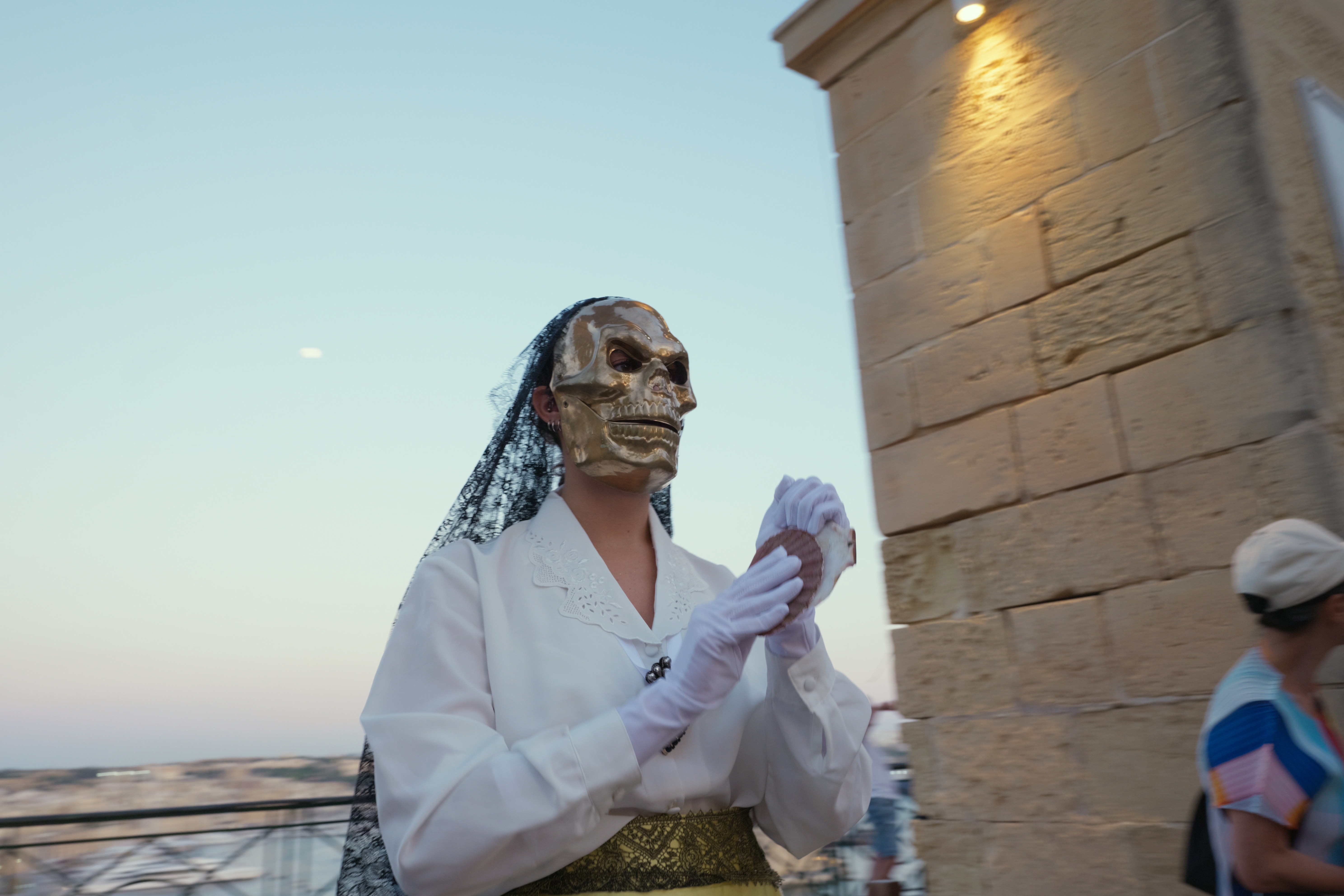
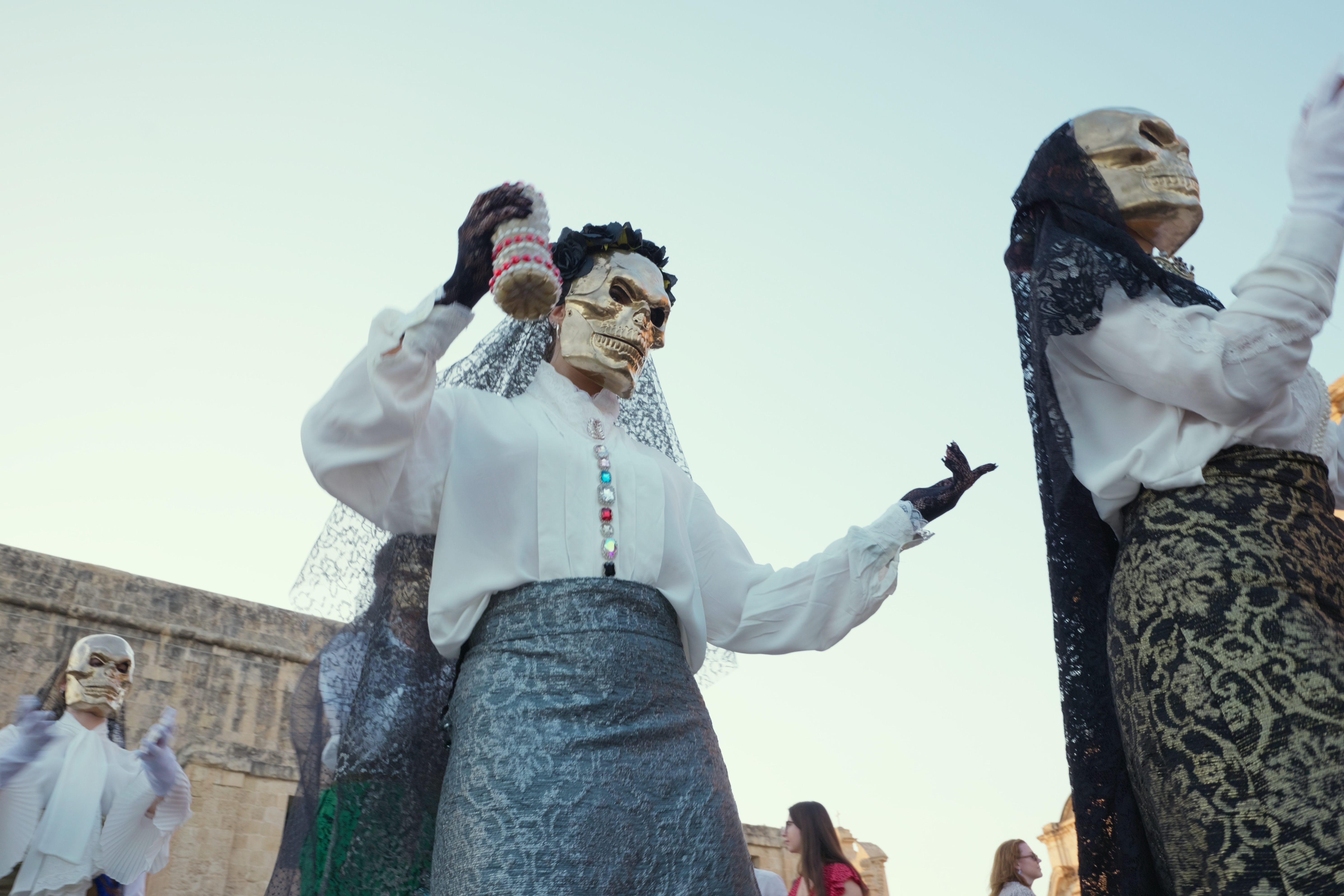
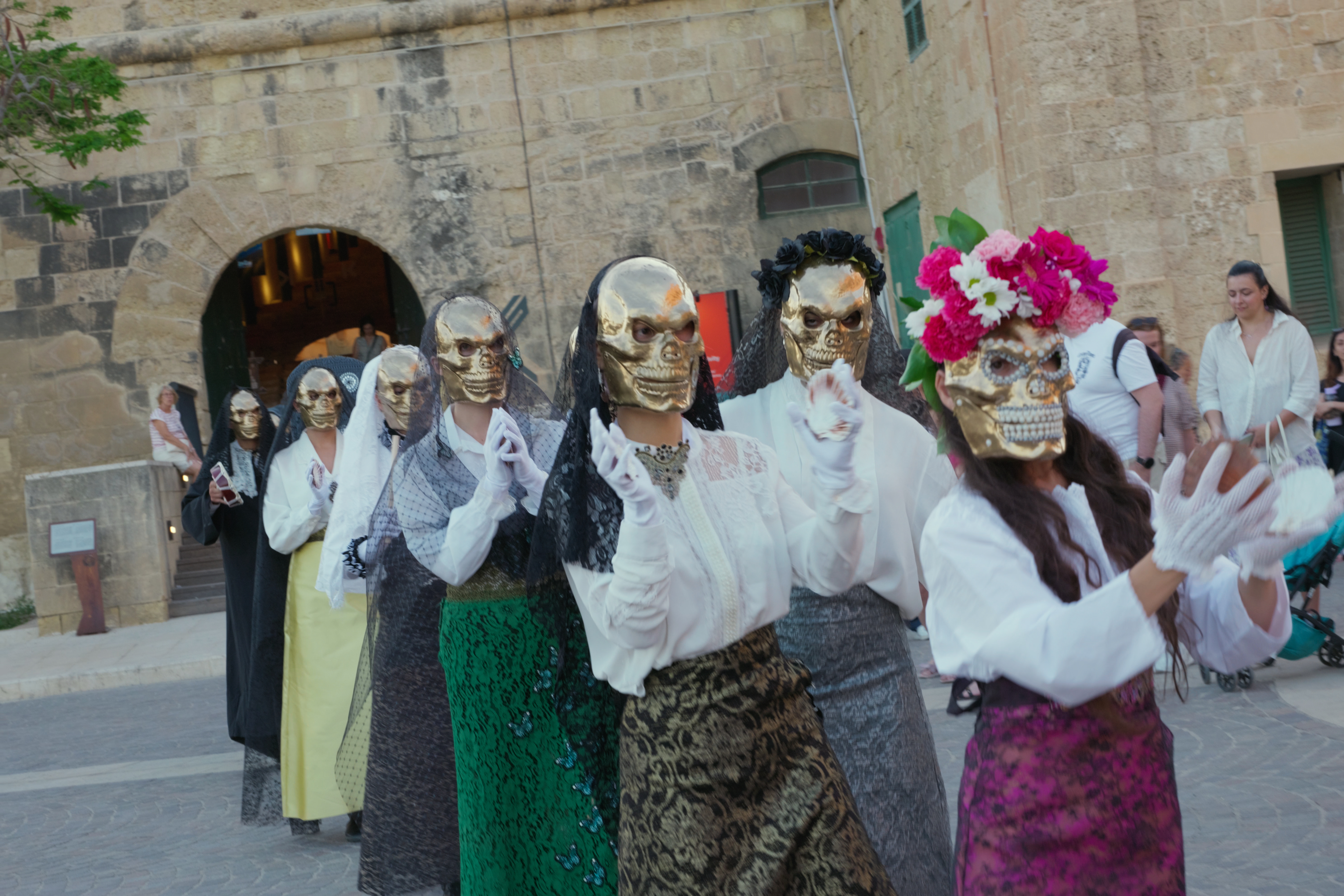
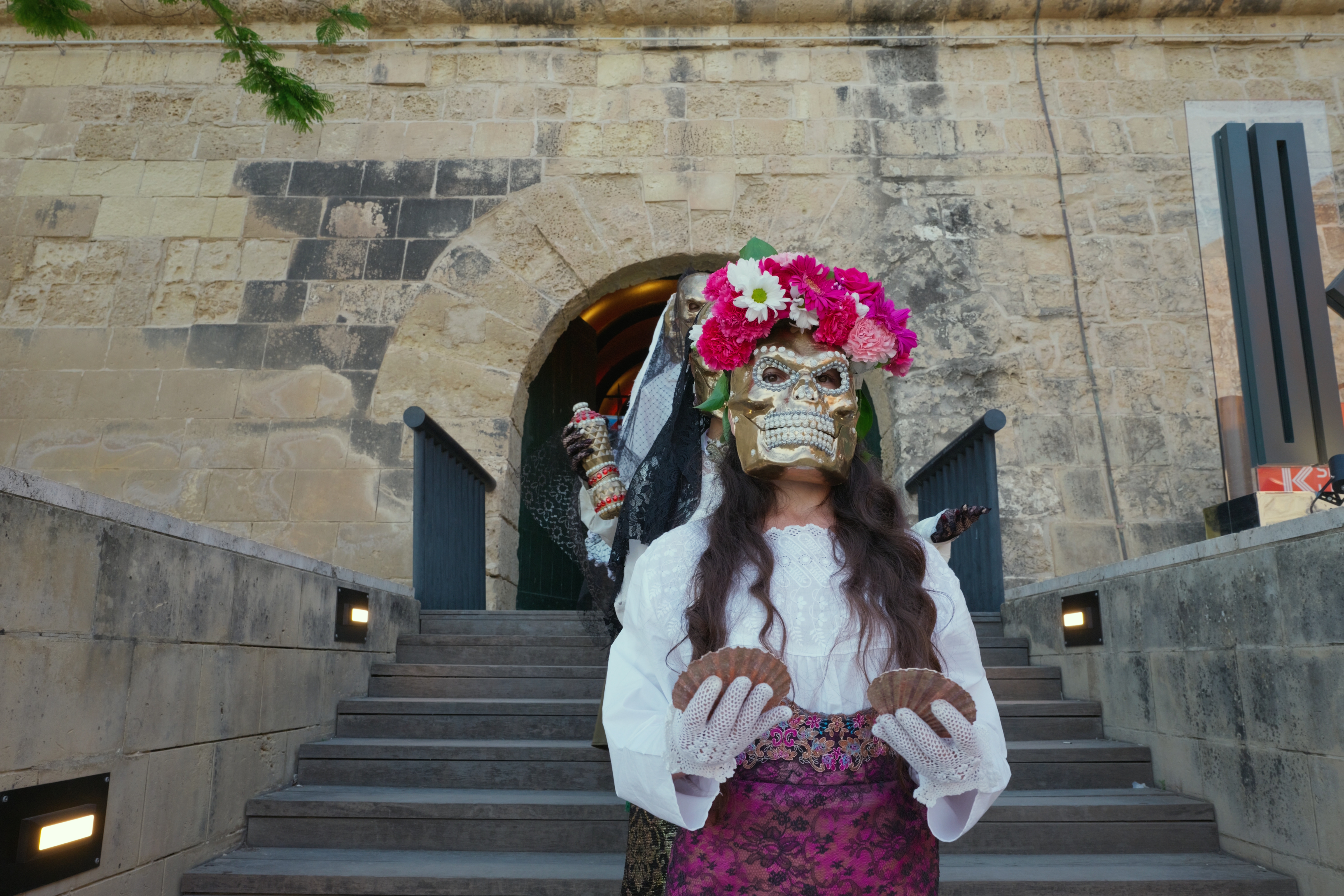
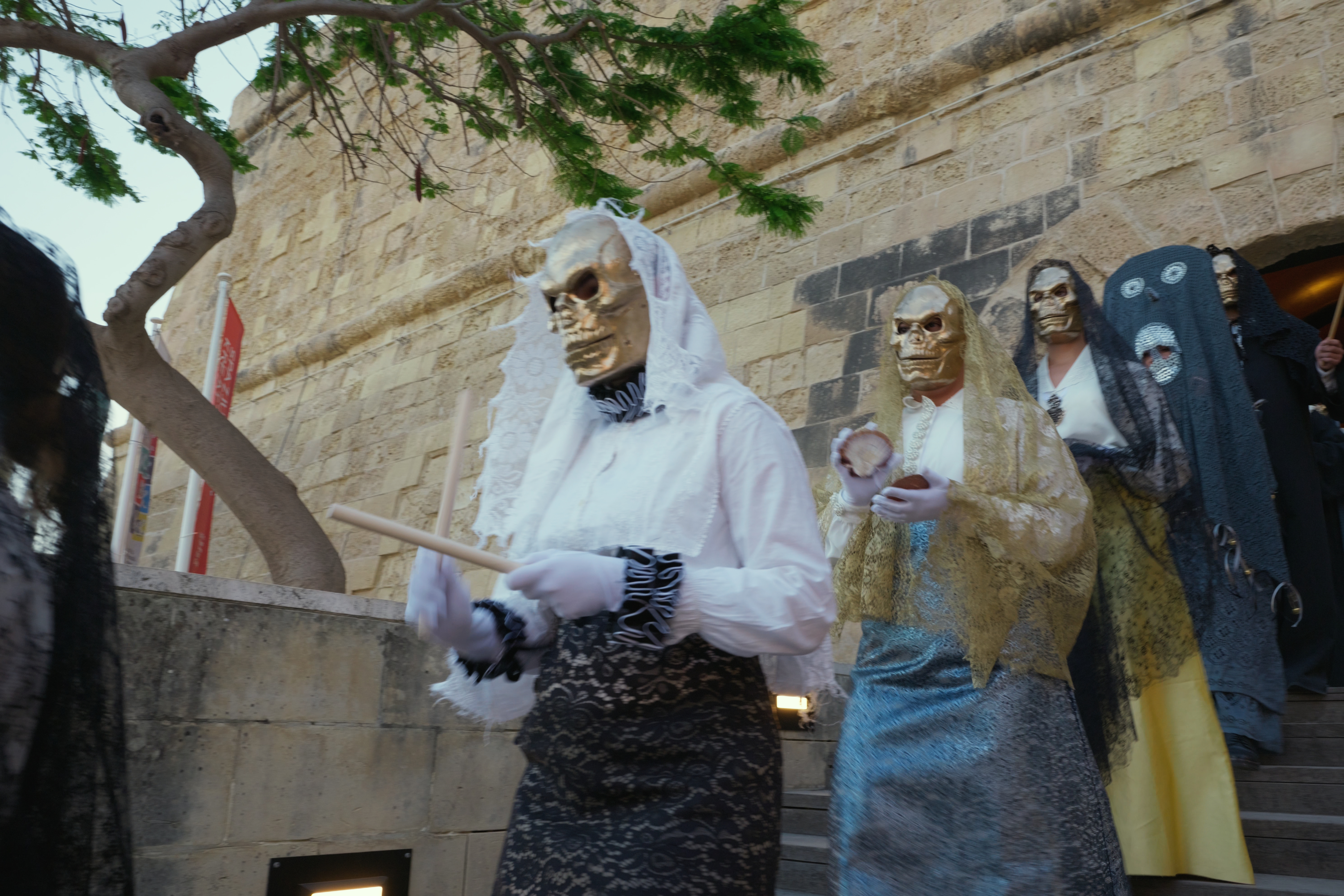
Conceived by Azzurra De Gregorio, “Danse Macabre” reinterprets the medieval allegory of death as a participatory performance creating a liminal space where ancient symbolism confronts modern anxieties. This project establishes a dynamic interplay between historical iconography and digital aesthetics, performers and audience, individual experience and collective ritual.
The medieval “Danse Macabre” emerged in the 14th century during the Black Death, depicting skeletons leading people from all social strata—popes to peasants—toward the grave, illustrating death’s democratic nature. This iconography served as both spiritual warning and social critique, suggesting earthly power’s insignificance before mortality.
This reinterpretation maintains this democratic spirit while addressing modern forms of inequality, environmental degradation, and technological alienation. Today’s dance of death encompasses not only physical mortality but also social death, cultural erasure, and spiritual disconnection—themes resonating with our post-pandemic world of conflict and ecological crisis.
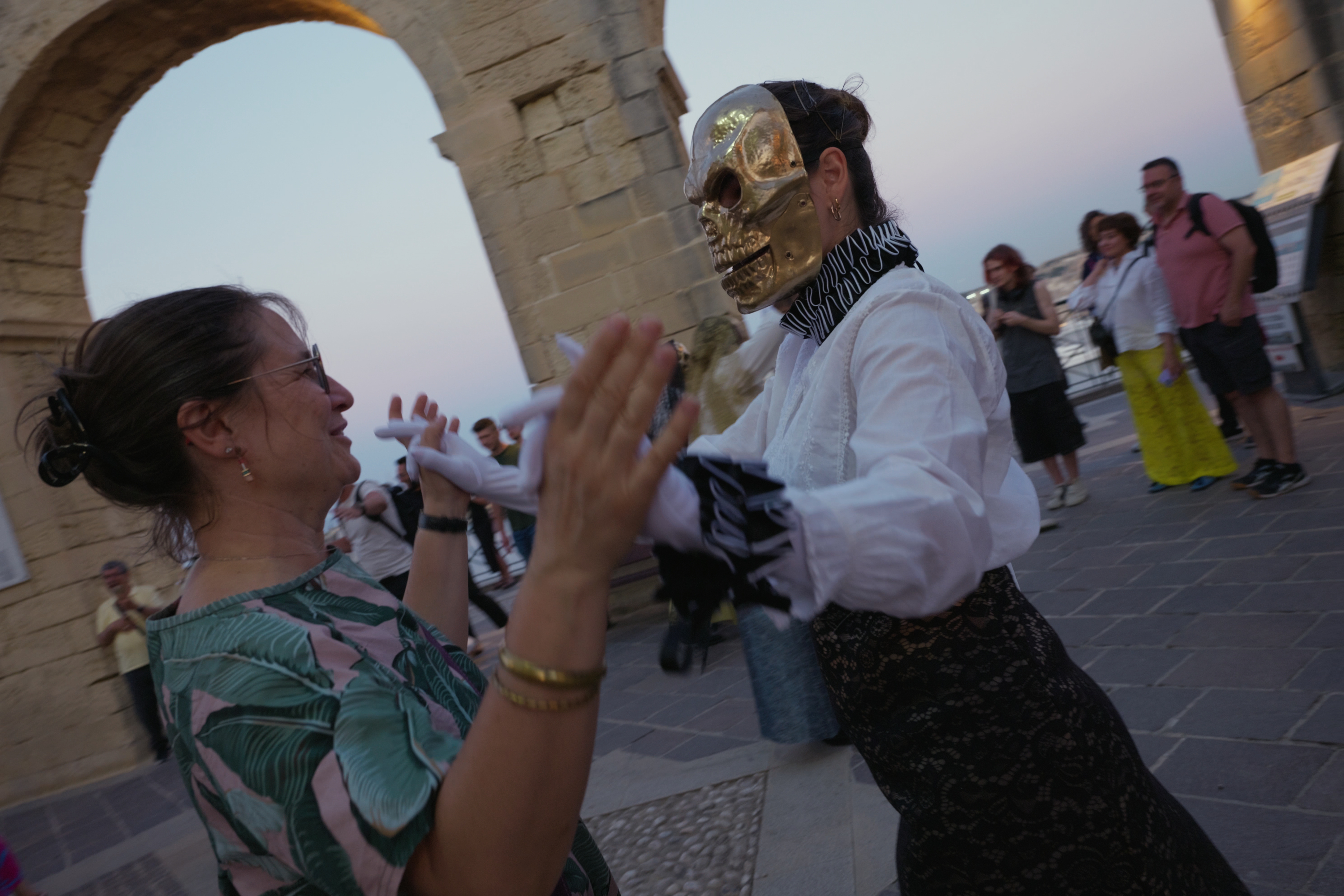
The project unfolds as an immersive journey dissolving spectator-participant boundaries. Local residents selected through an open call will embody contemporary social archetypes, creating a living tableau reflecting current power structures. These performers become modern memento mori figures, their movements revealing both individual experience and universal vulnerability.
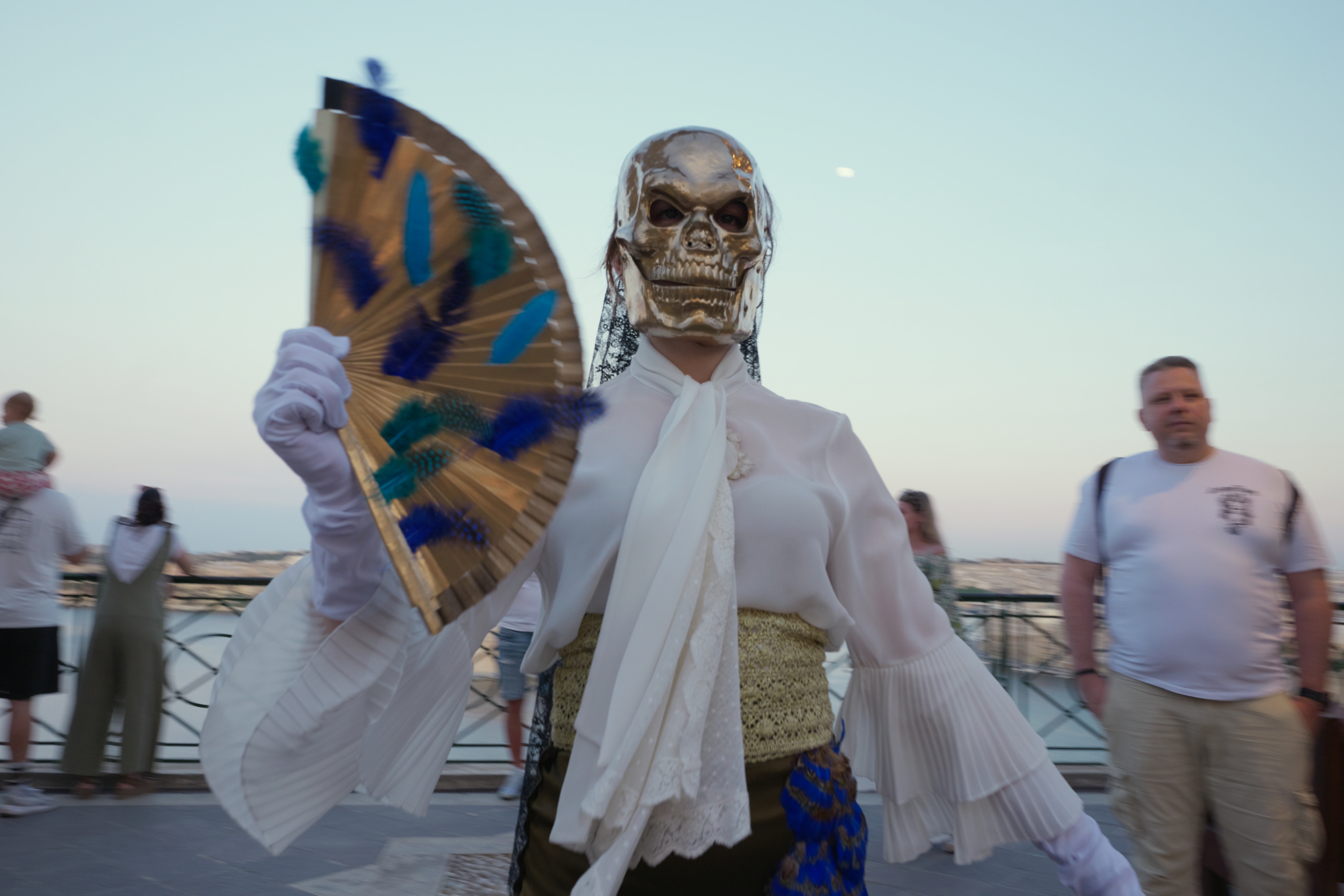
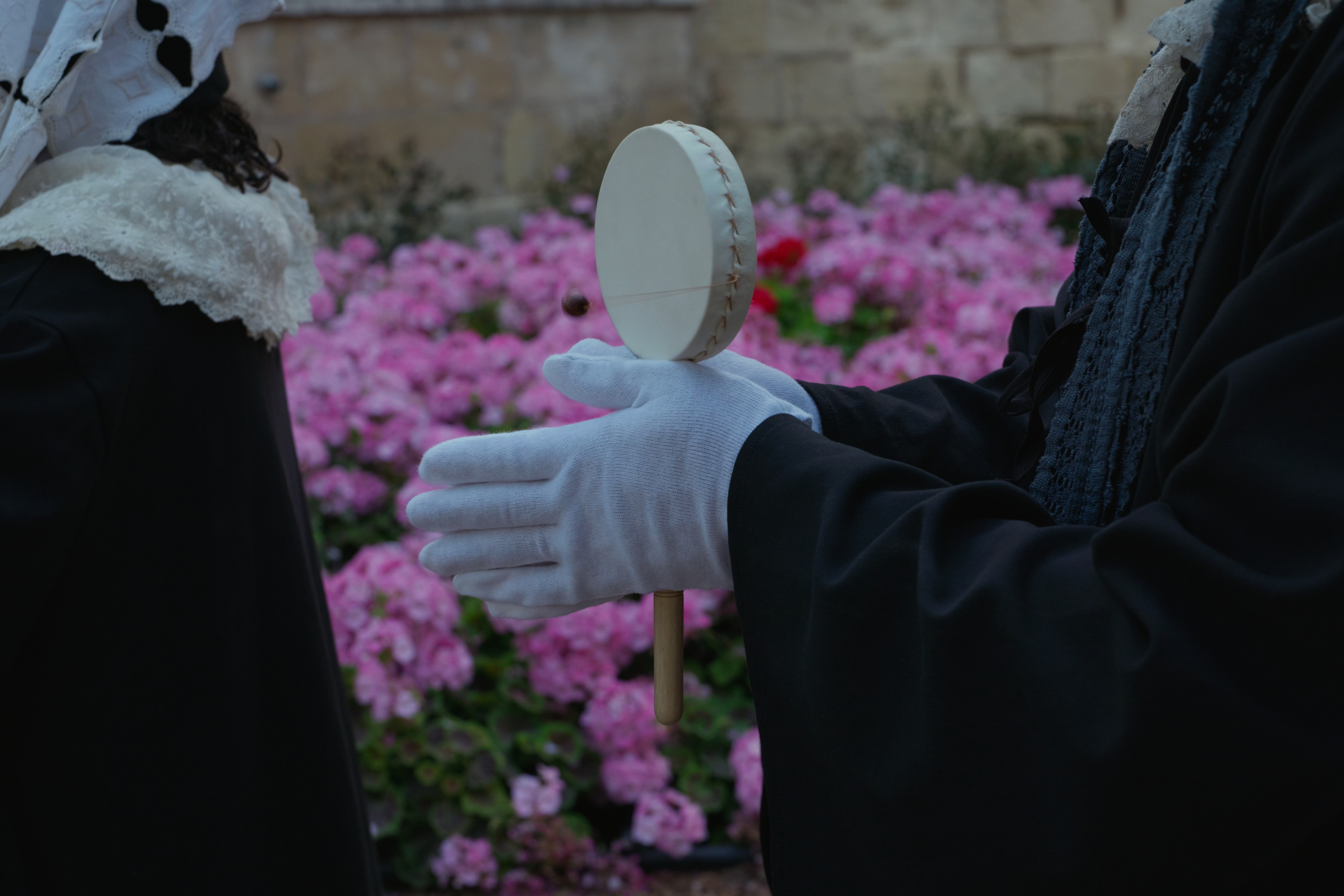
A workshop forms the foundation of the project, developing choreography with local dancers, performers, musicians and everyday citizens that will seamlessly integrate audience participation. Custom masks and costumes will be designed by Azzurra De Gregorio for both performers interpreting death and audience members embodying characters from the original “Danse Macabre,” connecting historical elements to contemporary themes.
Rather than presenting a linear narrative, the performance constructs a sensory landscape of fragmentary elements accumulating meaning through juxtaposition. Two interconnected dimensions emerge: the physical dimension centers on mortality’s corporeal experience, with performers alternating between vitality and stillness, connection and isolation. The choreography draws from medieval iconography while incorporating contemporary movement languages, bridging centuries of human expression.